Pattern Palette: Creative Doll Stylist

Reviews
Pattern Palette: Creative Doll Stylist offers a structured yet pressure-free creative activity for young children. Its three-step workflow—clean, outline, fill—teaches sequencing and fine motor control, while the two placement areas encourage thoughtful design choices. The absence of timers or scoring makes it accessible for kids who prefer to work at their own pace. The main limitation is the lack of information about saving or sharing finished designs, which may disappoint some players.
Description
Pattern Selection and Placement
Pattern Palette: Creative Doll Stylist centers on a straightforward creative task: choosing a decorative pattern and applying it to a doll figure. The game offers two placement areas—one on the doll's arm and another on the back. Each area can hold a different pattern, which encourages players to think about coordination and balance. Because the pattern collection includes a range of visual themes, finished designs can vary widely, supporting repeated play.
The Three-Step Application Workflow
Applying a pattern follows a fixed sequence. First, the player cleans the designated area. Next, they outline the chosen pattern. Finally, they fill it with color. Visual cues and simple instructions guide each step, so the process teaches a basic artistic procedure. This methodical approach helps young users develop focus and fine motor skills while learning the order involved in creating a finished design.
No Timers, No Scores, No Pressure
Pattern Palette does not use timers or scoring. Children work at their own pace and can revisit steps to refine their work. This relaxed structure reduces frustration and fosters a sense of accomplishment. Trying different pattern combinations is encouraged, letting players see how various choices alter the overall look. The open-ended format supports creative thinking without competition.
Interface and Visual Style
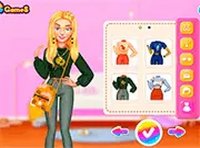
The game presents a bright, cheerful aesthetic. Buttons are large and easily tappable, and instructions rely on icons and animations rather than text. The doll has a friendly, approachable design, and patterns feature motifs like stars, hearts, and geometric shapes. This simplicity makes the game accessible to children who are still developing reading skills. Beyond entertainment, it introduces design sequencing and aesthetic decision-making, building confidence with digital art tools.



Editorial Notes