Birthday Celebration Outfit Designer
Reviews
Birthday Celebration Outfit Designer offers a straightforward two-stage experience: dressing the birthday person and then arranging the party. Its strengths lie in accessibility and open-ended customization. Simple click-and-drag controls, no time limits, and no failure states make it welcoming for children and seniors. The game's focus on honoring an older relative adds a family-bonding element. The main limitation is the absence of competitive depth, which may not appeal to players seeking challenge.
Description
Building the Birthday Look
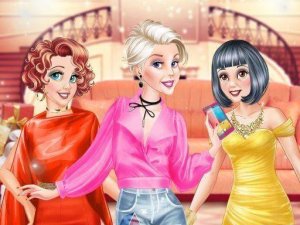
Your first job is dressing the birthday person. A selection of dresses and accessories is available, and the game encourages mixing colors and styles rather than following a fixed template. Every choice feeds into a single personalized outfit, so the result reflects your own taste. The interface relies on click-and-drag, which keeps the process direct whether you are picking a dress or adding a finishing accessory.
Setting Up the Party
Once the outfit is settled, attention shifts to the celebration itself. You place decorations and arrange sweets and treats, positioning each item freely to shape the room. Because objects can be moved without restriction, two players can produce completely different party scenes from the same item pool. Visual cues guide each step, so the sequence stays clear without needing instructions.
Designed for Shared, Unhurried Play
Nothing here is timed or scored. Bright graphics and a gentle soundtrack set a calm tone, and the absence of competitive elements means young children and seniors can take part on equal footing. The theme centers on honoring an older relative, which gives the activity a family-bonding purpose rather than a win condition. You can pause or stop at any point without losing progress.
Customization Without Pressure
The range of clothing, accessories, and decorative items means repeat sessions rarely look identical. Trying new combinations is the main draw, not reaching a target. That open-ended structure suits players who want personal expression over challenge, and it explains why the game stays usable across multiple sittings.






Editorial Notes