Pawn Alliance Board Tactics
Reviews
Pawn Alliance Board Tactics stands out for its elegant blend of card-driven actions and board positioning. The alliance system adds a layer of social strategy that keeps each game unpredictable. The rules are simple enough for newcomers but offer depth for experienced players. The visual design is clean and functional, and the fullscreen mode on digital versions enhances clarity. The game encourages communication and critical thinking without relying on luck. It is a refreshing choice for groups seeking a cooperative yet competitive experience.
Description
Core Gameplay Loop
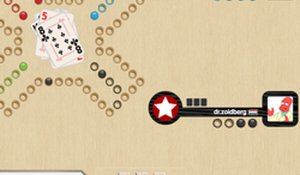
Pawn Alliance Board Tactics combines a standard deck of cards with a gridded board. Each turn, players draw a card that grants a special action: swapping their pawn with an adjacent piece, blocking an opponent's path, or moving multiple spaces. The board is divided into zones, and controlling key zones gives scoring advantages. The game proceeds in rounds, with players taking turns until one reaches the victory threshold. The card draw introduces an element of chance, but strategic placement and timing matter more than luck. Players must decide whether to use a card immediately or save it for a critical moment.
Alliance & Rivalry Dynamics
A standout feature is the alliance system. Players can form temporary partnerships to block a leading opponent or secure a zone. Alliances last only a few turns, and betrayals are common. This creates a shifting social landscape where trust is a resource. The game encourages communication: players negotiate openly, making promises and threats. The dynamic keeps each session fresh, as alliances form and dissolve based on the board state. This mechanic adds a layer of psychological strategy beyond pure tactics.
Accessible Rules, Deep Strategy
The rulebook fits on a single page. New players learn the basics in under five minutes: place your pawn, draw a card, perform an action, and pass the turn. However, mastering the game requires understanding pawn positioning, card counting, and opponent psychology. The game includes a simple scoring system: control zones at the end of each round earn points. The first player to reach a set number of points wins. This structure makes each game quick—around 20 minutes—but encourages multiple sessions to explore different strategies.
Visual & Tactile Design
The board uses a clean, color-coded layout with distinct zones. Pawns are small, wooden pieces with a satisfying weight. Cards feature simple icons and text, making them easy to read at a glance. The fullscreen mode on digital versions provides a clear view of the board and card hand. The design prioritizes clarity over decoration, ensuring players focus on the strategic decisions rather than visual clutter. The color palette is warm and inviting, suitable for all ages.
Social & Cognitive Benefits
Pawn Alliance Board Tactics promotes face-to-face interaction. Players must read body language, negotiate, and adapt to changing alliances. The game exercises planning, memory, and flexible thinking. It is a wholesome activity for family game nights, classroom settings, or casual gatherings. The non-violent theme and cooperative elements make it appropriate for children as young as eight, while the strategic depth appeals to adults. The game fosters positive social skills like communication and sportsmanship.
Replayability & Variations
Each game plays differently due to the random card draw and player-driven alliances. The game includes optional rules: a variant with hidden victory conditions, a team mode where two players share a pawn, and a timed mode for faster rounds. These variations extend the game's lifespan without adding complexity. Players can also create custom house rules, such as limiting alliances to one per round or adding a 'wild card' that lets a player swap any two pawns. The core mechanics remain stable, ensuring the game stays balanced across different playstyles.








Comments
0 comments