Naval Strategist: Grid Tactics
Reviews
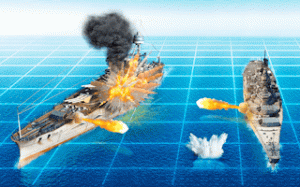
Naval Strategist: Grid Tactics strips the classic grid-deduction formula down to its essentials: place your fleet, call coordinates, and interpret hits and misses. The live turn-based multiplayer and browser accessibility make it easy to fit matches into short sessions, while points and limited power-ups give regular players a reason to return. The main limitation is that the input describes no single-player mode or campaign, so players seeking a solo experience may find it less suited to their preferences.
Description
Reading the Grid
Naval Strategist: Grid Tactics is built on a single exchange: you call a coordinate, the game answers with a hit or a miss, and you decide what that answer means. There is no hidden timer or reflex test. The opponent's fleet sits somewhere on a hidden grid, and every shot either confirms a suspicion or eliminates a possibility. Because the system records each result visually, you can trace which rows, columns, and diagonals remain plausible. The first player to locate and eliminate all opposing ships wins.
Fleet Placement as a Decision
Before the shooting starts, you arrange your own ships on a hidden grid. That setup is not cosmetic. Straight lines along the edges are the first patterns most opponents check, so irregular spacing and off-center placement make your fleet harder to map. Clustering ships in one region concentrates your risk; scattering them spreads it. Neither approach is strictly better, which is why experimenting with layouts is part of improving over time. The grid rewards players who think about how their formation looks from the other side.
Live Turn-Based Matches
Matches connect you with opponents worldwide and run in real time, but turns alternate, so you wait for the other player before firing again. That pause matters: it encourages deliberate calls instead of rapid guessing. Matchmaking pairs players of similar experience, which keeps the deduction contest balanced rather than lopsided. Because the game runs in a browser, it works on desktop, tablet, or phone with no installation, so a match can fit into a short break or extend across a longer session.
Points, Power-Ups, and Pacing
Winning matches can earn points that feed a progression system. Accumulated points may unlock temporary power-ups, such as revealing a single enemy ship location or allowing a double shot on your next turn. These are limited, so timing matters more than hoarding. A well-placed reveal can confirm a cluster; a double shot can finish a ship you have already cornered. The progression layer adds a reason to return without replacing the core logic, and the clean interface keeps hits and misses easy to distinguish at a glance.








Editorial Notes