Bike Jigsaw Puzzle Game
Reviews
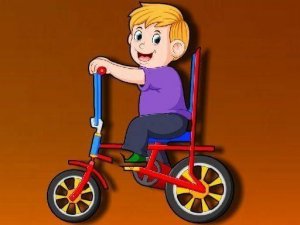
Bike Jigsaw Puzzle Game delivers exactly what its name suggests: cartoon bike images broken into jigsaw pieces, with low, medium, and high difficulty options. The lack of timers, penalties, and move limits makes it genuinely relaxing rather than tense. Its simple drag-and-drop controls suit children and adults equally. The main limitation is variety — the experience depends on how many bike images are available, which the description does not specify. Still, for a quiet, family-friendly puzzle session, it fits well.
Description
Reassembling Cartoon Bikes
The goal in Bike Jigsaw Puzzle Game is simple: pick a cartoon bike image, choose how many pieces you want, and rebuild the picture. Each image is split into jigsaw pieces that you drag onto the board. Pieces stay where you put them until they snap into the correct spot, so you can rearrange freely without losing progress. The game offers low, medium, and high difficulty, which changes the number of pieces and, in turn, how long a puzzle takes.
Pace and Pressure
There are no timers, penalties, or move limits. You can leave a puzzle half-finished and return later, or work through it in one sitting. That design choice makes the game suitable for short breaks as well as longer sessions, and it means mistakes cost nothing. The absence of pressure also makes it easier to focus on the visual details of each bike image rather than racing the clock.
Controls and Accessibility
Controls are limited to dragging and dropping pieces. The layout is clear, and pieces can be moved as many times as needed. Because there is no prior puzzle experience required, children and adults can both start immediately. The cartoon bike artwork is colorful and playful, which helps distinguish pieces by color and shape when sorting.
Approaches That Help
Starting with a lower difficulty makes it easier to learn how the pieces behave. Building the edges first gives you a frame that limits where interior pieces can go. Sorting by color or pattern narrows down the options for each remaining piece. Taking a break when stuck often makes the next piece easier to spot. Since there is no time limit, there is no reason to rush.









Editorial Notes