Path Mender Puzzle Quest
Reviews
Path Mender Puzzle Quest offers a focused puzzle experience built around repairing structures, collecting keys, and avoiding fixed hazards. Its pixel art and distinct color palettes make each zone readable, while the gradual difficulty curve keeps later levels demanding without becoming unfair. Players who enjoy logic puzzles and trial-and-error problem solving will find the most value here. The lack of specified multiplayer or mobile support means it is best suited to solo desktop play.
Description
Repair, Collect, Escape
Each level in Path Mender Puzzle Quest is a compact, self-contained space filled with obstacles. Your goal is to find keys that unlock gates, use a hammer tool to repair damaged structures, and reach the door that leads to the next stage. The challenge lies in sequencing: deciding which object to fix first or which key to chase before others. A wrong order can leave you stuck, so observation before action matters.
Hazards and Level Layouts
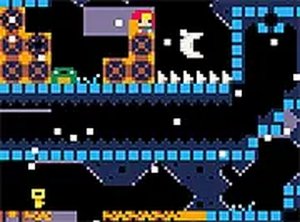
Levels combine stationary threats such as guards on fixed patrol routes and spikes that block certain passages. Layouts grow more complex as you progress, layering multiple obstacles and requiring you to think several steps ahead. Because each area is interconnected, exploring before committing to a move often reveals the safest path. [IMG_1]
Pixel Art and Zone Identity
The pixel art style recalls classic 8-bit titles. Every level uses a distinct color palette to separate zones, making keys, hazards, and repair points easy to identify at a glance. Clean visuals keep attention on the puzzle logic rather than distracting effects.
Controls and Interface
Built for desktop play, the game uses responsive keyboard and mouse controls. Movement is precise, and the minimal interface shows only essential information like collected keys and hammer status. This straightforward design suits players of all ages, including those new to puzzle games.
Experimentation and Progression
Multiple approaches exist for most levels, so failed strategies can be replaced with a different repair or key-collection order. Trial and error adds depth without frustration, and later stages test the planning habits you built earlier, creating a steady sense of progression.










Editorial Notes