Path Mender Puzzle Quest
Reviews
Path Mender Puzzle Quest stands out for its thoughtful level design that gradually increases in complexity without becoming overwhelming. The repair mechanic adds a unique twist to the key-collecting formula, requiring you to prioritize which objects to fix. The retro pixel art is visually appealing and helps distinguish hazards from interactive elements. It is a solid choice for anyone who enjoys logic puzzles and wants a free, family-friendly experience.
Description
Core Gameplay Loop
In Path Mender Puzzle Quest, every level presents a self-contained environment filled with obstacles. Your primary objective is to locate keys that unlock gates, repair damaged structures using a hammer tool, and eventually reach the door that leads to the next stage. The satisfaction comes from figuring out the correct order of actions—deciding which object to fix first or which key to pursue—to create a clear path forward.
Level Design Philosophy
The levels are designed as compact, interconnected spaces that encourage exploration. Each area contains a mix of stationary hazards, such as guards that patrol set routes, and spikes that block certain passages. The difficulty ramps up gradually, introducing more complex layouts that require you to think several steps ahead. Success often depends on observing the environment before making any moves.
Visual Style and Atmosphere
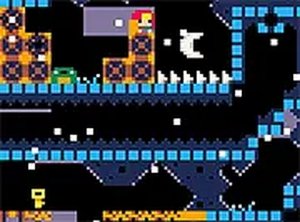
The pixel art graphics give the game a nostalgic feel reminiscent of classic 8-bit titles. Each level uses a distinct color palette to differentiate zones, making it easy to identify key objects and hazards at a glance. The simple, clean visuals ensure that the focus remains on the puzzle-solving mechanics, without unnecessary distractions.
Controls and Accessibility
Path Mender Puzzle Quest is built for desktop play, with responsive keyboard and mouse controls. Movement is straightforward, allowing you to navigate levels with precision. The interface is minimal, showing only essential information like collected keys and the hammer tool status. This design makes the game accessible to players of all ages, including those new to puzzle games.
Strategic Thinking and Replay Value
Because each level can be approached in multiple ways, the game encourages experimentation. If one strategy fails, you can try a different sequence of repairs or key collection. This trial-and-error element adds depth without becoming frustrating. The gradual increase in complexity means that later levels will test the skills you developed in earlier stages, providing a satisfying sense of progression.










Comments
0 comments