Hearthside Checkers Classic
Reviews
Hearthside Checkers Classic delivers exactly what its name suggests: traditional checkers wrapped in a warm, fireside setting. The rules are unchanged, so experienced players can jump straight in, while the mouse controls and clean interface keep things accessible for casual players. The local two-player focus makes it a natural fit for friends or family sharing a screen. The main limitation is the lack of online play or an AI opponent, so solo players have no one to face. For a quiet, no-download board game session, it works well.
Description
A Familiar Board with a Warmer Setting
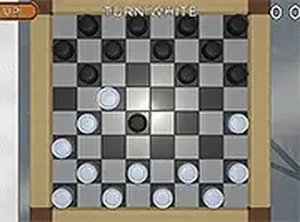
Hearthside Checkers Classic follows standard checkers rules on an 8x8 board. Two players control twelve pieces each, moving diagonally and capturing by jumping over an opponent's piece. What sets this version apart is the presentation: a softly glowing fireplace with crackling audio runs in the background, giving each match the feel of a quiet evening indoors. The game runs in a browser, requires no download, and includes a full-screen mode for a more focused session.
Mouse-Driven Moves and Chained Captures
Controls stay out of the way. After choosing a color, you click a piece to select it, then click an empty diagonal square to move. Captures work the same way—jump over an adjacent opponent piece to remove it. When multiple jumps are available in one turn, you can chain them together. The interface is uncluttered, so planning your next few moves and reading your opponent's intentions stays the main activity.
Built for Two Players in the Same Room
This is a local two-player game, meaning both participants share one device and take turns. That format suits friends or family who want a direct, thoughtful match without setting up accounts or downloading software. The fireplace theme keeps the mood relaxed, and the classic rules mean anyone who has played checkers before can start immediately.
Practical Habits for Stronger Play
Controlling the center of the board limits your opponent's movement and opens more capture opportunities. Look for sequences where one jump leads into another—those chains can shift a match quickly. Keeping your back-row pieces in place makes it harder for your opponent to crown a piece. Thinking a few moves ahead, rather than reacting to the last move, helps you spot tactical patterns over time.










Editorial Notes