Red Orb Puzzle Paths 2
Reviews
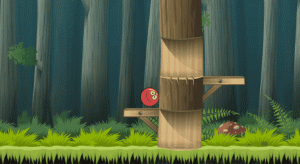
Red Orb Puzzle Paths 2 is a physics puzzle platformer that asks you to read slopes, momentum, and bounce before committing to a route. The gradual difficulty curve introduces moving platforms and shifting obstacles without overwhelming you. Optional stars reward replay and route planning. Bright visuals and calm music suit short, relaxed sessions. Best for players who enjoy logic challenges over timed action.
Description
How the Ball Moves
Red Orb Puzzle Paths 2 builds its challenges around a physics system that gives the ball realistic motion. Momentum carries it forward after you release input, slopes change its speed, and gravity pulls it down every gap. Bounce matters too, so a jump that looks safe can send the ball past a platform if you approach at the wrong angle. The game never rushes you, which means you can stop and study a layout before committing to a route.
Stage Design and Difficulty
Each stage introduces a new element that changes how you read the level. Early stages keep things simple: basic movement and star collection. Later ones add moving platforms, wider gaps that demand precise jumps, and obstacles that shift position. The difficulty rises gradually, so skills you build in one stage carry into the next. When one path fails, the layout usually supports a different approach, and that flexibility keeps repeat attempts from feeling like pure trial and error.
Stars and Replay
Reaching the finish is only one goal. Stars sit along alternate routes, and collecting all of them in a stage often requires a different line than the direct path. That optional layer gives the game replay value without forcing it. You can finish a level quickly or spend extra time hunting every star, and the game does not punish either choice.
Presentation and Pace
Bright colors and simple shapes keep the environment readable, and the ball stands out clearly against the background even during fast movement. Sound effects confirm actions like collecting a star or hitting a wall, while calm, upbeat music supports concentration without pulling attention away. There are no timers or pressure, so short sessions work well and players of different ages can enjoy the same stages.








Editorial Notes