Railway Safety Operator
Reviews
Railway Safety Operator turns a simple routine into a test of timing and prioritisation. The core loop of lowering barriers and sounding warnings stays consistent, while later levels add train speed, multiple crossings, and denser traffic. Bright visuals and tap-based controls keep it accessible for families, though the later multitasking may challenge younger players. It suits anyone who enjoys deliberate, skill-based casual games rather than reflex-driven action.
Description
The Crossing Operator's Role
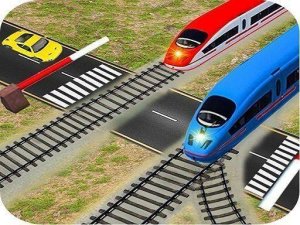
Railway Safety Operator places you at the centre of a rail network where roads intersect with train tracks. Each crossing demands the same sequence: activate the barriers to halt road vehicles and pedestrians, then sound a warning signal before the train arrives. The order matters. Skip a step or mistime it, and the result is an incident rather than a clean pass. The game's tension comes from doing simple actions correctly while the clock runs.
How Difficulty Builds
Early stages keep things calm. A single train approaches, road traffic is light, and you have room to learn the rhythm of barrier-then-signal. As you progress, train speed increases, levels introduce multiple crossings to manage at once, and road traffic thickens. The challenge grows through added variables rather than new button combinations, so the skills you build early still apply later, just faster. Each level sets a clear objective, such as completing a route without incidents.
Reading the Screen Under Pressure
Bright, uncluttered visuals make trains, gates, and road users easy to identify at a glance. That clarity matters when several crossings need attention in quick succession. Controls stay simple, usually a tap or click per action, which keeps the focus on timing and prioritisation rather than input complexity. The presentation avoids intense imagery, so the game suits shared household play.
Planning Versus Reacting
Effective play leans on anticipation. You judge when to lower a gate based on the train's speed and distance, and you time the warning signal so it does not catch road users off guard. When multiple crossings are active, you decide which one needs you first. Rushing tends to produce errors; staying calm and sequencing actions deliberately is the more reliable approach.










Editorial Notes