Kingdom Protectors: Two-Player Platformer
Reviews
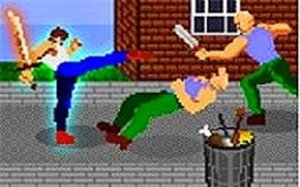
Kingdom Protectors sticks to classic side-scrolling platforming: move forward, time your jumps, defeat opponents, and grab items. The two-player mode adds coordination and shared resources, while the scoring system gives solo and co-op players a reason to replay stages. Pixel-art visuals and keyboard or touch support make it easy to pick up. The main limitation is that the input describes a focused, familiar formula rather than a deep or experimental one.
Description
Side-Scrolling Stage Design
Each stage in Kingdom Protectors is a side-scrolling environment where the goal is to move forward while dealing with obstacles and opponents. Progress depends on timing and positioning rather than pure speed. Hidden areas are placed throughout the stages, and exploring them can yield useful items that make later sections easier to survive.
Cooperative Play and Shared Strategy
With a second player, the game shifts from solo survival to coordination. Partners can watch different parts of the screen, share collected resources, and help when one player is cornered. This setup rewards communication and planning, turning each session into a joint effort rather than two separate runs.
Items, Upgrades, and Health
Items appear across each stage and temporarily improve a character's abilities. Some increase the damage dealt to opponents, while others extend attack reach. Food items restore health, letting players recover from damage taken during exploration. Knowing when to grab these pickups and when to push ahead is central to clearing tougher sections.
Retro Visuals and Accessible Controls
The pixel-art style gives Kingdom Protectors a nostalgic look, and the platforming mechanics stay simple enough for newcomers. Controls are designed to feel responsive, with support for both keyboard and touch input. That combination makes the game approachable for players of all ages, including those who have not spent much time with platformers.
Scoring and Replay Value
Every stage can be replayed to improve your score. The final score is based on how many opponents you overcome and how many items you collect, so route planning and collection efficiency matter as much as survival. Cooperative sessions also allow score comparisons, giving pairs a reason to revisit stages and refine their approach.








Editorial Notes