Festive Logic Grid Puzzle
Reviews
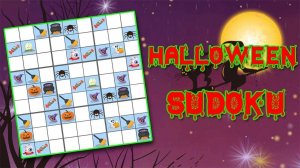
Festive Logic Grid Puzzle takes the familiar sudoku format and replaces numbers with nine holiday-themed symbols. The result is a visually warm puzzle that remains solvable through pure deduction. Difficulty scales by reducing starting clues, which gives beginners room to learn before facing tougher grids. The lack of time pressure and competitive elements makes it suitable for solo relaxation or family sessions. The main limitation is that it offers no mechanical departure from standard sudoku beyond the theme and symbol set.
Description
Symbols Instead of Numbers
Festive Logic Grid Puzzle follows standard sudoku rules but replaces the digits 1 through 9 with nine holiday-themed icons. Each row, column, and 3x3 block must contain every symbol exactly once. Grids begin partially filled, and the remaining cells are completed through deduction. The design guarantees that no guesswork is needed: every placement can be reached by logical reasoning alone.
Visual Style and Atmosphere
The interface uses bright, colorful icons that represent common holiday motifs. Each symbol is drawn to be clear and distinct, which makes scanning the grid easier. The background and overall palette are warm and inviting, supporting a calm solving environment. The imagery avoids intense or unsettling elements, keeping the experience suitable for younger players.
Difficulty Progression
Puzzles are organized by difficulty. Early grids include more starting clues, giving newcomers room to learn the mechanics. Later puzzles reduce the number of given icons, requiring more advanced deduction techniques. This gradual increase in complexity helps players build skills naturally. The focus stays on logical thinking rather than speed, so there is no time pressure.
Family and Solo Play
Because the rules are simple to learn, the game suits family sessions. Children can play alongside adults, each working at their own pace. The absence of competitive elements makes it a relaxing solo activity as well. The interface supports both mouse and touch input, so it works on desktops, tablets, and phones.
Getting Started
Begin with rows or columns that already contain many symbols. Use elimination to identify which icon is missing. If you get stuck, take a short break and return with fresh eyes. Regular practice improves pattern recognition and deduction speed. Patience and careful observation matter more than quick reflexes.









Editorial Notes