Vertical Leap: Precision Platformer
Reviews
Vertical Leap strips platforming down to a single decision: when to tap. That constraint works because the game keeps adding pressure through speed, shifting hazards, and changing ledge layouts. The minimalist visuals support the timing focus rather than distract from it. Players who enjoy arcade challenges with short, repeatable runs will find a clear goal in the distance score. The main limitation is variety; the input describes one core mechanic, so anyone seeking broader platforming systems may find it narrow.
Description
The One-Tap Climb
Vertical Leap reduces platforming to its most direct form. The block you control rises on its own, and a single tap propels it to the next ledge. There is no run button, no complex combo, and no second mechanic to manage. The entire challenge lives in the gap between platforms: how far apart they sit, how quickly they arrive, and whether your tap lands at the right moment. A mistimed press drops the block and ends the attempt.
Hazards and Shifting Layouts
Early climbs are forgiving, but the environment soon adds static and moving dangers. Sharp points attached to walls demand precise positioning, while some obstacles shift position, forcing you to anticipate their path instead of reacting at the last second. Ledge arrangements also change, and certain stretches require several quick taps in succession. Each attempt can introduce a different pattern, so memorizing one route is not enough.
Speed, Distance, and Score
The game begins at a relaxed pace and gradually accelerates with every successful jump. Gaps between ledges may widen or narrow, and hazards appear more often as you climb. This steady ramp keeps pressure on without overwhelming newcomers early. A persistent high score records the farthest distance reached, giving each short run a clear goal and a reason to try again.
Clean Visuals, Pure Timing
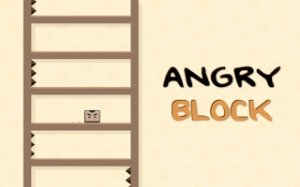
Minimalist graphics keep the block and platforms sharply defined against a simple background. That clarity matters most when speed increases and split-second decisions decide the run. There are no distracting animations or cluttered elements, so judging distance stays consistent from the first tap to the final one.










Editorial Notes