Nature Pathfinder Observation Game

Reviews
Nature Pathfinder Observation Game is built for players who prefer slow, methodical play over action. Its core loop involves interpreting tracks, alarm calls, and wind direction across woodlands, tundra, and savanna, each with distinct visibility and cover challenges. Gear upgrades expand observation range rather than trivialize difficulty. Cooperative play and leaderboards add optional social layers. The main limitation is pace: anyone seeking fast progression or combat will find it too quiet.
Description
Reading the Environment, Not Chasing Targets
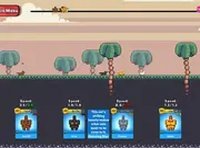
Nature Pathfinder Observation Game asks you to locate animals by interpreting what they leave behind. Trampled grass, disturbed soil, broken branches, and bird alarm calls all point toward recent activity. Wind direction is critical: if an animal catches your scent, it will flee before you see it. Moving slowly and staying low keeps you unnoticed. Each pause reveals new information, and the game rewards a methodical pace over speed. [IMG_1]
How Habitats Change Your Approach
Woodlands limit visibility and muffle sound, so you depend on tracks and broken vegetation. Open tundra offers long sightlines but almost no cover, forcing you to use terrain folds and shadows. Savanna grasslands hide both you and the animals until movement gives them away. Species also follow daily routines: some are active at dawn, others during midday heat. Learning these patterns is essential for a successful outing.
Gear Upgrades and Expedition Progression
Completed expeditions earn resources for equipment improvements. Upgrades might sharpen your ability to detect faint tracks or improve viewing tools, such as a better scope lens or a steadier stock. These changes do not make the game easier in a traditional sense; they expand what is possible, like observing animals at greater distances or in low light. Choosing which upgrades to pursue adds a layer of personal strategy.
Cooperative Play and Friendly Competition
You can invite friends to join expeditions, splitting tasks: one person watches for movement while another checks the ground for signs. Leaderboards track species observed and identification accuracy, adding light competition without undermining the relaxed core experience. The focus stays on learning and appreciating nature rather than outperforming others.
Practical Tips for New Trackers
Spend the first few minutes of each expedition sitting still and listening, because animals often reveal themselves through sound before they become visible. Check wind direction and plan your approach accordingly. If you spook an animal, wait quietly for a few minutes before moving; it may return. Keeping a mental or written log of observed behaviors helps future outings.
Compatibility
Faq
Is Nature Pathfinder Observation Game a hunting game?
Can I play Nature Pathfinder Observation Game alone?
What do I earn from completing expeditions?
How does wind direction affect gameplay?
Are there leaderboards in Nature Pathfinder Observation Game?
Do animals follow daily routines?
More Like This

Style Studio: Fashion & Art Creator

We Bare Bears Cinema Stealth

Festive Nail Salon Nail Art

Vehicle Care Workshop Simulator

Friendly Double Date Social Game

Supermarket Cashier Kids Simulation

Shadow Runner Quest Arcade

Masha Pizza Chef Adventure

Pizza Chef Cooking Adventure
Editorial Notes