Fruits Memory Match Puzzle
Reviews
Fruits Memory Match Puzzle sticks to a proven formula: flip two cards, remember what you saw, and clear the board before time runs out. Its fruit visuals and HTML5 browser format make it easy to start, while extra cards and new symbols keep later boards from feeling identical. The main limitation is that the input does not describe audio, multiplayer, or platform-specific features, so players seeking those extras should check elsewhere. It best suits casual players and families who want a short, focused memory exercise.
Description
Matching Mechanics and Player Goal
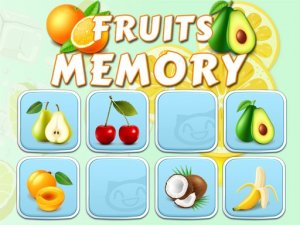
Each round presents a grid of face-down cards, with every card hiding a fruit image such as an apple, banana, or orange. The player flips two cards per turn. A matching pair stays face up and counts toward clearing the board; a mismatch flips both cards back down. The core objective is to remember where each fruit appeared and use that knowledge to match all pairs before time runs out. Because every flip is a chance to gather information, random clicking wastes the limited clock.
Progression and Difficulty Curve
Early boards are simple enough for a quick session, but the game adds more cards or introduces new fruit symbols as the player advances. That shift changes the memory load: a larger grid means more positions to track, and unfamiliar symbols make each flip harder to place. The result is a steady ramp from casual warm-up to a genuine test of recall, without changing the basic two-card rule.
Session Design and Accessibility
The interface is built for quick play, so a round can fit into a short break or extend into a longer session for players chasing higher scores. Progress tracking gives players a reason to return and improve. Because the game runs on HTML5 in a web browser, no download or installation is required. The fruit theme and simple controls make it approachable for children and adults, while the time pressure and growing board size keep it engaging for dedicated players.
Practical Memory Tactics
Memorizing the position of every card, even those that do not match immediately, is more useful than flipping at random. Building a mental map of the board and focusing on one area at a time reduces confusion. Regular practice improves recall speed, and short breaks between levels help maintain focus. With patience and deliberate flips, players can clear harder boards and post better scores.










Editorial Notes