Zip Target Action Game
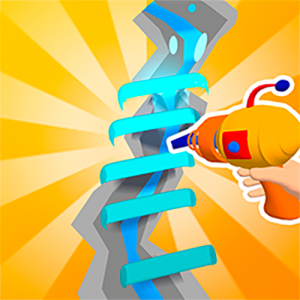
Reviews
Zip Target Action Game keeps things deliberately simple: aim with a mouse or finger, hit targets, and balance accuracy against speed. Its strength is accessibility—no complex rules, no prior experience needed, and a touch-friendly design that works on computers and mobile devices. The family-friendly framing makes it appropriate for children and adults. The main limitation is depth; players seeking layered progression or varied mechanics may find the format repetitive over long sessions.
Description
Aiming as the Core Skill
Zip Target Action Game is built around a single, clear action: aiming and hitting targets. Players control the aim with a mouse or finger, then click or tap to fire at targets that appear on screen. There are no complex rules or layered mechanics to learn, so the focus stays on precision and reaction time. Created by Ali Avci, the game is designed for players of all ages and works well for short breaks or longer sessions.
How a Round Plays Out
Targets appear on screen and require quick reactions. Players must track each target smoothly before clicking or tapping, because the game rewards both accuracy and speed. Finding the right balance between the two is the central challenge. Missing a target or reacting too slowly affects performance, while steady aim and calm timing produce better results. The control scheme is responsive and touch-friendly, which means the same approach works on computers and mobile devices.
Who It Suits and Why
Because there are no complicated instructions, Zip Target Action Game is accessible to children and adults alike. The family-friendly content keeps the experience safe for younger players, and the low-commitment structure makes it easy to start a session without a long setup. Players who enjoy reflex-based challenges or want a simple way to sharpen coordination will find the format straightforward. The game does not require prior gaming experience, and its intuitive design lets players focus on improving their aim rather than learning controls.
Practical Tips for Better Aim
Tracking a target smoothly before clicking tends to work better than rushing. Staying calm and prioritizing accuracy at first, then gradually increasing pace, helps build consistency. Short, regular sessions can sharpen reflexes, and brief breaks between rounds help maintain focus. Anticipating where a target will move and planning the shot accordingly is more effective than reacting late.










Editorial Notes