Wondla Spot the Difference Puzzle
Reviews
Wondla Spot the Difference Puzzle delivers exactly what its name suggests: a gentle observation challenge built on comparing two similar images. The hand-drawn visuals and light storyline give it a warm, approachable feel, while the absence of time limits makes it ideal for winding down. Difficulty rises gradually, and the hint system prevents frustration. It is not a game for players seeking fast action or complex mechanics, but for families and casual puzzle fans, it offers a reliable, low-pressure brain teaser.
Description
Comparing Images to Spot Changes
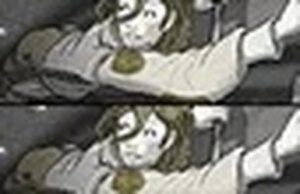
Wondla Spot the Difference Puzzle is a casual observation game built around a simple task: two nearly identical pictures appear side by side, and the player must find the differences between them. Each level contains a fixed number of changes, and all of them must be located before moving on. The challenge comes from paying close attention to colors, shapes, positions, and small details that have been altered. [IMG_1]
Controls and Progression
Interaction is limited to tapping or clicking on the area where a difference is spotted. There are no complex inputs to learn, which makes the game approachable for players of any skill level. Levels increase in difficulty as the player advances, keeping the task from becoming too routine. A hint system is available for moments when a difference proves difficult to find, though using it sparingly preserves the challenge. [IMG_2]
Art Style and Tone
The scenes are built from colorful, hand-drawn artwork that gives each level a distinct look. A light storyline accompanies the puzzles, providing gentle context without interrupting the core activity. The overall presentation is cheerful and calm, with no inappropriate content, making it suitable for children, families, and anyone looking for a relaxing brain teaser. [IMG_3]
Approaching Each Puzzle
Scanning each image systematically—from top to bottom or left to right—helps avoid missing subtle changes. Focusing on small details like color shifts, missing objects, or altered patterns is more effective than glancing at the whole picture at once. Because there is no time limit, players can work at their own pace and celebrate each discovery without pressure.










Editorial Notes